How to Take Care of Dental Implants
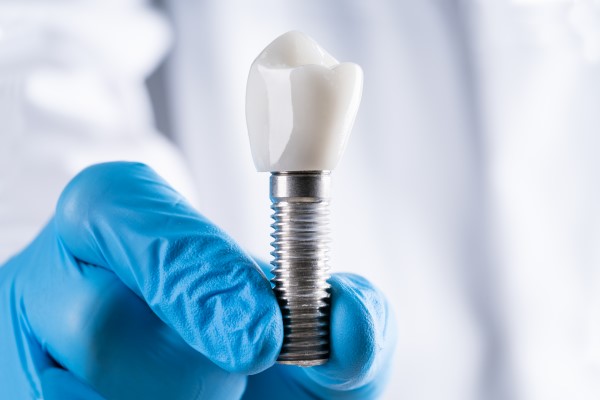
People who have been recommended to get dental implants may be wondering how to take care of them after surgery. Implants are artificial teeth held in place by metal posts positioned in the gums. They are constructed to look and function like natural teeth; thus, managing them is similar to caring for regular teeth. Once the post, abutment, and crown are surgically placed in the mouth, dental patients are responsible for taking good care of their implants to ensure a longer life.
Early care
Immediately following the final phase of dental implant surgery, patients may experience common discomforts including swelling, bruising, pain, and minor bleeding. Medication may be prescribed by a dental professional to help minimize pain during the first few days.
Individuals need to eat a diet that consists mostly of soft foods, and avoid using straws for at least two or three days. Foods and liquids that are extremely hot should be avoided, as well as foods like popcorn, rice, and nuts that can become easily lodged in the surgical site.
Swelling can be managed by holding an ice pack on the jaw. Placing a cold ice pack on the area for about 15 minutes at a time reduces swelling and inflammation.
Long-term care
A few days after getting dental implants, patients should notice improvements in their condition. If symptoms get worse after the first week, contact a dental professional who can address any issues with proper healing. Otherwise, people should follow the instructions given by dental professionals to take care of implants.
Maintain good oral hygiene
First, individuals should practice good oral care. Brush all teeth, both natural and artificial, at least twice a day and floss once a day. If desired, patients can use an interdental brush to clean in between the teeth more effectively.
Visit a dental professional regularly
Next, people should visit a dental professional at least twice a year. Some patients may need to schedule dental visits more frequently depending on symptoms. It is particularly important to have regular check-ups to examine the health and function of the implants.
Avoid damaging habits
Finally, there are a variety of habits that cause damage to teeth, including smoking, teeth grinding, and consuming tooth-staining products. As well as avoiding these, it is wise for patients to not bite ice and hard candy because it can break the crowns on implants. All of these habits can lead to premature damage and should be avoided.
Seek care for complications
It typically takes several months for implants to completely bond with the jawbone. However, by two weeks after surgery individuals should notice an improvement in pain. If patients notice any signs of new pain or pain that has not gone away after two weeks, then they should schedule an appointment with a dental professional.
Conclusion
The majority of dental implants are inserted successfully with no complications. To help ensure this, individuals should follow the recommendations from a dental professional to take good care of their implants.
Request an appointment here: https://www.halhirschdmd.com or call Hal M. Hirsch DMD, FAGD at (856) 270-6447 for an appointment in our Laurel Springs office.
Check out what others are saying about our dental services on Yelp: Dental Implants in Laurel Springs, NJ.
Related Posts
A dental implant restoration is a significant investment in your oral health. This tooth replacement option offers durability while improving the function and appearance of your smile. However, there are ways how you can ensure the long-term success and integrity of the restoration.Keeping good oral hygiene is important for the longevity of a dental implant…
An Invisalign® dentist helps straighten teeth with clear aligners, but the best results depend on a solid understanding of candidacy, planning, and consistent daily habits for every patient. Many people assume aligners work the same for every smile, yet moving teeth effectively requires a personalized approach to reach the desired goal. The points below help…
A root canal is a highly effective way to save a tooth that would otherwise be headed for extraction. While the success rate is remarkably high, understanding why a procedure might fail helps you make informed decisions about your dental health. Most complications stem from hidden bacteria or a seal that fails to withstand the…
While there are several ways to restore your smile, a dental bridge remains one of the most reliable solutions in restorative dentistry. However, one size does not fit all. Choosing the right bridge depends on the condition of your surrounding teeth and your long-term oral health goals.A dental bridge consists of two or more crowns…